How to Choose the Ideal General Contractor for Your Upcoming Home Project
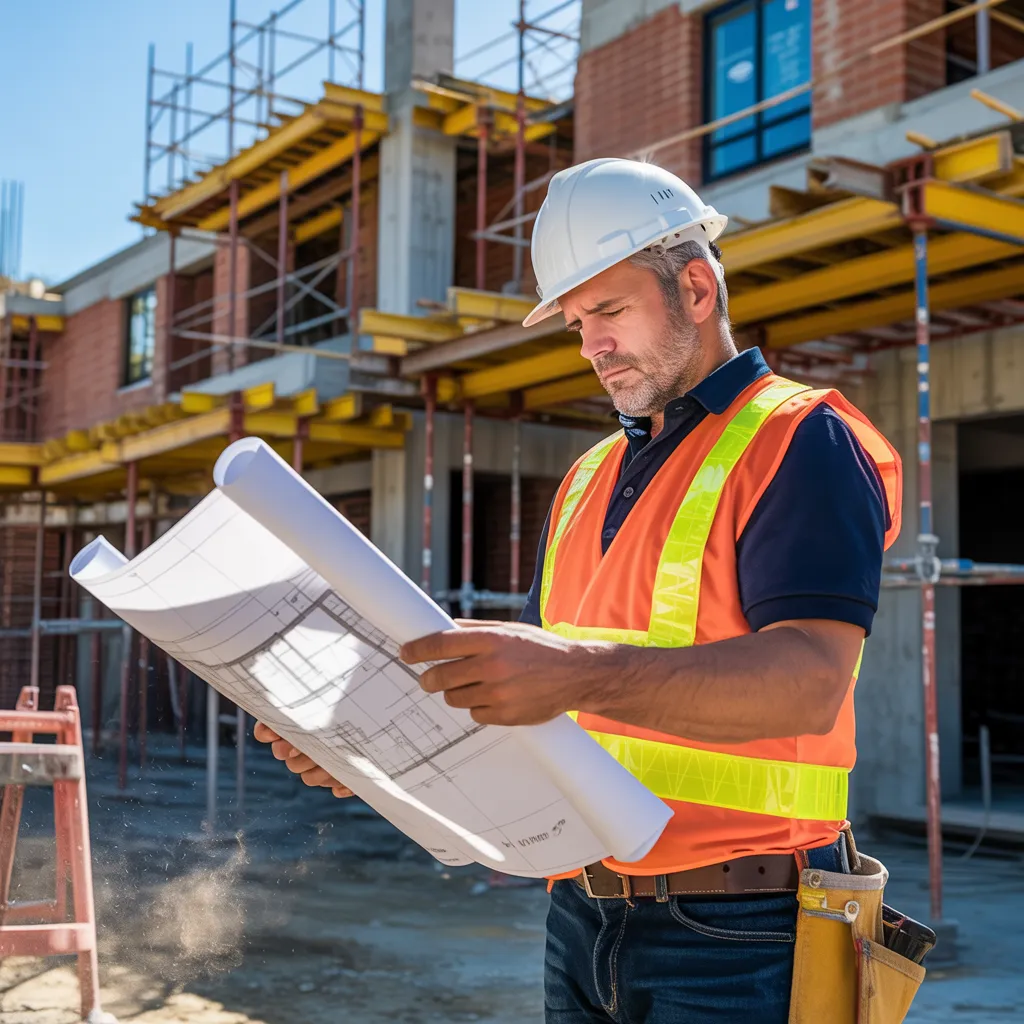
Selecting the appropriate construction professional for your home renovation is a critical choice. This requires careful consideration of multiple elements, such as expertise, credentials, and ability to communicate. Many homeowners overlook key aspects, leading to costly mistakes. Knowing how to evaluate potential contractors can make a substantial impact. By focusing on vital standards and posing the right questions, one can navigate this intricate undertaking more efficiently. What are the key steps to ensure a productive collaboration?
How to Steer clear of Standard Traps When Choosing a Contractor
When appointing a general contractor, how can one navigate the countless options without encountering typical mistakes? Prospective clients often ignore critical points that can produce disappointing consequences. First, relying solely on price can be unclear; the lowest bid may suggest below-average results or extra fees. Additionally, failing to look at references or feedback online can result in employing a contractor with negative feedback. It is also essential to not rely solely on charm; a charismatic contractor may not have the proper expertise or dependability. Moreover, failing to establish clear communication and expectations can lead to confusion and disappointment. Finally, neglecting careful review of agreements prior to signing can result in unforeseen duties or inadequate security. By being watchful and knowledgeable, homeowners can make better choices, ultimately resulting in a positive outcome.
Ways to Evaluate a Contractor's Experience
When examining a contractor's background, multiple important elements become relevant. Relevant project experience, professional credentials, and an extensive portfolio of completed work serve as essential markers of their capabilities. Evaluating these aspects can offer useful understanding into the contractor's fit for the particular job at hand.
Suitable Undertaking Background
Understanding a contractor's applicable work history is essential for ensuring the success of any building project. Prospective clients should assess the contractor's body of work, concentrating on completed projects similar in scope and style to their own. This involves reviewing the quality of workmanship, compliance with schedules, and budget management in previous undertakings. Additionally, it is beneficial to inquire about the types of materials used and the contractor's familiarity with area construction regulations and regulations. Testimonials and references from past clients can shed light on the contractor's reliability and ability to communicate. Ultimately, a contractor with considerable applicable expertise can navigate challenges effectively, ensuring the undertaking satisfies the homeowner's requirements and benchmarks.
Industry Certifications And Licenses
Certification and licensing function as important indicators of a contractor's professionalism and skills in the construction industry. When selecting a general contractor, it is vital to ensure they have the necessary licenses mandated by local and state regulations. Such licenses confirm compliance with building codes and safety standards. Furthermore, industry certifications, like those from the National Association of Home Builders or other related organizations, reflect a contractor's dedication to quality and ongoing education. Specialists with particular certifications may also possess expertise in specific fields, such as green building or remodeling. Verifying that a contractor holds the proper credentials not only increases confidence in their capabilities but also minimizes potential legal and financial risks during the project.
Showcase Of Accomplished Work
The professional's portfolio of executed assignments acts as a key tool for judging their competence and expertise. This collection should display a diversity of projects, illustrating flexibility in various styles and levels of difficulty. When reviewing a portfolio, potential clients must seek professional images that capture the workmanship involved. It is advantageous to see projects that align with the homeowner's individual preferences or design tastes. Precision, creative approaches, and adherence to timelines are major evidence of a contractor’s expertise. Furthermore, buyer feedback or project analyses included in the portfolio provide greater understanding into the contractor's professionalism and dependability. Finally, a solid portfolio can help homeowners to make informed decisions regarding their future jobs.
How to confirm Your Contractor's Credentials and Licenses
Before employing a general contractor, it is crucial to confirm their credentials and licenses to ensure they meet industry standards. Begin by checking with municipal licensing authorities to verify that the contractor possesses the necessary licenses for your area and project type. Each state has its own standards, so learning about them can avoid future complications.
Additionally, inquire into insurance coverage, including liability and workers' compensation, to guarantee protection against potential accidents or damages. Obtain references from previous clients and follow up to measure satisfaction and reliability.
Finally, review any accreditations the contractor may possess, as these often indicate technical expertise and respect for industry best practices. A comprehensive evaluation process not only assures adherence but also fosters confidence in the contractor's ability to deliver the complete information project successfully.
Why Dialogue Is Essential in Your Contractor Partnership
Essential dialogue plays a important role in the contractor-client relationship, shaping the project's success from the beginning. Clear discussion establishes expectations, timelines, and budgets, ensuring both parties are in agreement on the project's goals. When clients express their vision effectively, contractors can provide informed recommendations and solutions, enhancing the overall outcome.
Ongoing information sharing and open lines of communication support immediate resolution of issues as they arise, minimizing potential delays. Additionally, a contractor who listens and responds client feedback establishes trust, which is essential for collaboration.
Moreover, solid interaction facilitates in addressing shifts and surprising difficulties, holding the project on track. It allows the contractor to adjust strategies based on customer input, guaranteeing satisfaction throughout the undertaking. In conclusion, emphasizing interaction not only solidifies the contractor-client bond but also significantly contributes to the successful accomplishment of the home project.
Essential Questions to Pose Your Builder in First Meetings
When first meeting with a contractor, clients should focus on understanding their experience and qualifications. It's imperative to discuss the project timeline and budget to assure synchronization with the client's expectations. These questions establish a foundation for a successful partnership and effective project management.
Background and Capabilities
Selecting a building contractor requires understanding their professional history and qualifications. Homeowners should ask about the contractor's experience duration and the kinds of projects completed. Detailed questions about official permits, certifications, and liability coverage are necessary because these confirm compliance with local regulations and offer protection during the project. Moreover, examining past work through professional portfolios or references can reveal the contractor's workmanship and dependability. It is also worthwhile to inquire about their knowledge of similar projects, as this can suggest their ability to handle specific challenges. Ultimately, evaluating a contractor's experience and qualifications strengthens trust and helps homeowners make informed decisions about their home projects.
Project Timeframe and Budget
How might homeowners confirm their project remains on track financially and temporally when meeting with a general contractor? To maintain alignment, they should ask key questions during initial meetings. Homeowners must inquire about the projected timeframe for project completion and any possible obstacles that could arise. Comprehending the contractor's approach to schedule management is essential. Also, discussing the budget early on is important; homeowners should seek clarity on cost estimates, payment schedules, and any included contingencies for unforeseen expenses. Learning about previous projects can provide insight into the contractor's dependability in meeting deadlines and staying within budget. By fostering transparent communication regarding timelines and finances, homeowners can build a strong partnership with their contractor, boosting the prospects of a successful project.
Strategies for Inspecting References and Reviewing Reviews
What approaches should one take to guarantee a general contractor is consistent? First, it is critical to solicit a list of testimonials from potential contractors. A reputable contractor will readily share names and contact information of previous clients. One should connect with these references to explore their experiences, focusing on aspects such as communication, quality of work, and adherence to timelines.
Also, reading online appraisals on platforms like Google, Yelp, or Angie's List can provide significant insights. It is imperative to identify patterns in the reviews—consistent praise or disapproval can indicate reliability or probable issues.
Furthermore, inspecting for any complaints filed with local licensing boards or consumer protection agencies can disclose a contractor's track record. Finally, demanding recent project photos can help determine the quality of their output. By taking these steps, one can make a more informed decision when selecting a general contractor.
Comprehending Contractor Pricing and Financial Requirements
Homeowners should become familiar with typical payment terms. Most contractors require a deposit in advance, accompanied by progress payments tied to project milestones. It's essential to clarify these terms before executing a contract to prevent misunderstandings. Furthermore, homeowners should ask regarding potential additional costs, such as permits or surprise maintenance. Open dialogue regarding pricing and payment terms will help establish a honest working relationship, eventually resulting in a positive project outcome. Comprehending these elements enables homeowners to make informed decisions when choosing a general contractor.
Often Asked Questions
What Timeframe Should We Anticipate for Project Completion?
Project timeline typically varies based on complexity and scope. Typically, it could require several weeks to months. Factors including climate conditions, availability of materials, and workforce availability can greatly influence the project completion schedule.
What Happens if Unexpected Issues Emerge During Project Work?
If unexpected issues happen during construction, the contractor typically examines the situation, speaks with the homeowner, and proposes solutions. Adjustments to the timeline and budget could be necessary, ensuring honesty throughout the process.
Do I Need Permits or Evaluations for My Project?
Most projects require inspections and permits to ensure adherence with local construction standards. It is critical to speak with a general contractor who understands these needs, as they can successfully navigate the permitting process efficiently.
What Is Your Approach to Handling Subcontractors and Their Compensation?
A distinguished general contractor regulates subcontractors by establishing transparent agreements outlining payment terms. They guarantee consistent payments, cultivate open communication, and monitor subcontractor performance, building a teamwork-oriented setting that contributes to project excellence and productivity.
What Is Your Approach to Project Changes or Improvements?
The contractor follows a flexible approach to project changes, insisting on written documentation for any upgrades. They commit to clear communication, review cost implications, and adjust timelines accordingly to support the client's dynamic needs and preferences.